

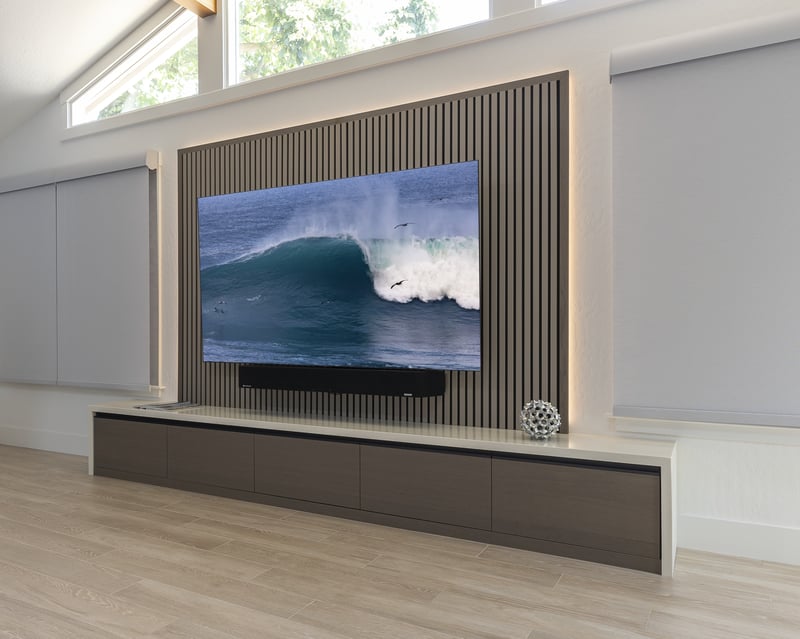
Living room built-ins can do more than provide storage. They can create a beautiful focal point, showcase favorite pieces, and help keep everyday essentials organized and out of sight. The key is finding the right balance between display and concealed storage while creating a design that complements your space.
When planning a living room built-in design, it's important to consider how you use the room, what you need to store, and the overall look you want to achieve. Here are five things to consider when exploring custom built-ins for your home.
1. Consider How You Use Your Living Room
Before deciding on cabinetry configurations or finishes, think about how your living room functions and what you would like to improve.
Is it primarily a place to relax and watch television? Do you frequently entertain family and friends? Are you looking for a way to display artwork and collectibles while keeping everyday items tucked away?
Many living rooms serve several purposes, and the right built-in design should accommodate them without making the space feel cluttered. Start by identifying what you want to store, what you would like to display, and which features would make the room more functional.
At Valet Custom Cabinets & Closets, every project begins with a personalized design process. Our designers take the time to understand each homeowner's space, priorities, and aesthetic preferences before developing a custom design tailored to their needs. From the initial consultation through the design review, homeowners work closely with their designer to explore layouts, storage solutions, and details that bring their vision to life.
2. Find the Right Balance of Open Shelving and Concealed Storage
One of the most important decisions in living room built-in design is determining what should be visible and what should be tucked away.
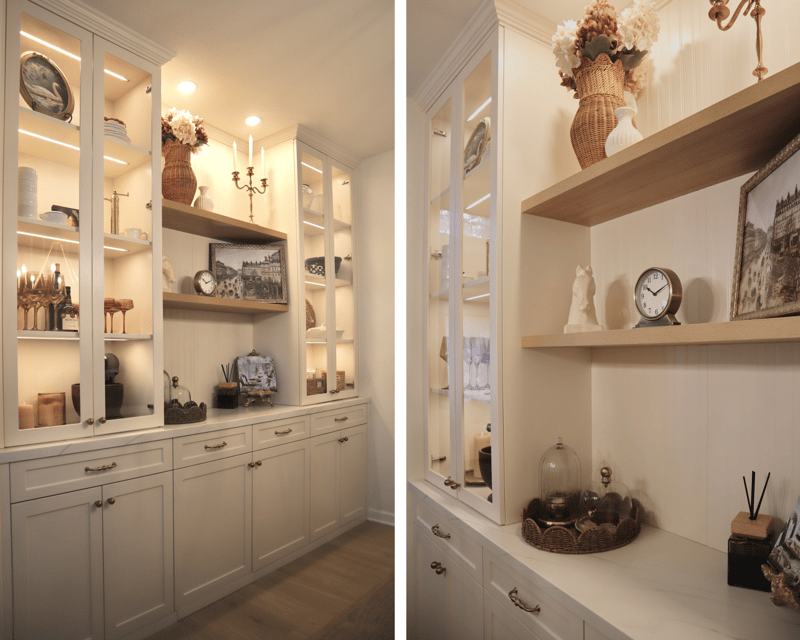
Open shelving provides opportunities to showcase books, artwork, photographs, and decorative pieces. It can also break up larger sections of cabinetry, creating a lighter, more open appearance.
Concealed storage keeps everyday essentials organized without adding visual clutter. Cabinet doors and drawers can provide dedicated spaces for electronics, games, accessories, and other items you want easily accessible but out of sight.
The most effective designs often combine both.
For example, lower cabinets can provide practical storage while open shelving above creates opportunities for display. Alternatively, open and concealed sections can be arranged throughout the cabinetry to create visual interest and accommodate different storage needs.
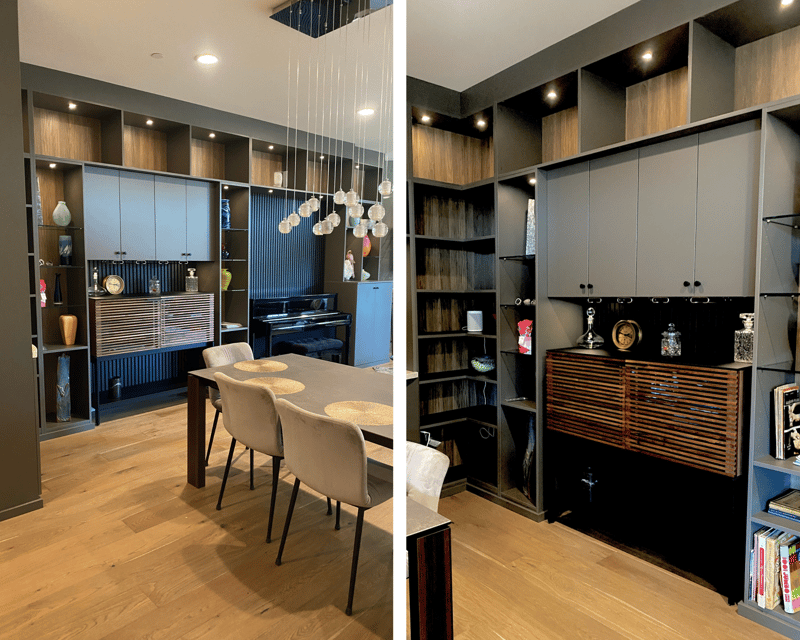
This balance isn't limited to traditional living room cabinetry. In adjoining spaces, such as dining rooms, custom buffets can incorporate display areas for decorative pieces alongside concealed storage for entertaining essentials.
Because every Valet project is custom, the proportions, placement, and configurations of open and concealed storage can be tailored to the homeowner's belongings and preferences.
The goal is to create cabinetry that showcases what you love while providing a place for everything else.
3. Think About How the Built-Ins Will Complement the Room
Living room built-ins can become a defining architectural feature, but they should also feel connected to the surrounding space.
In some rooms, cabinetry is designed around an existing focal point, such as a fireplace, television, or large piece of artwork. In others, the built-ins themselves become the centerpiece.
The scale and proportions of the cabinetry play an important role in achieving a balanced appearance. Floor-to-ceiling designs can create a dramatic statement while making use of vertical space. A combination of open shelving and enclosed cabinets may create a lighter look, depending on the layout.
Symmetry is another consideration. Matching cabinetry on either side of a focal point can create a structured, balanced appearance, while an asymmetrical arrangement can introduce visual interest and accommodate different functions.
The surrounding architecture, furniture, and overall design style should also influence the cabinetry. For example, a custom media center can integrate television storage, open display shelving, and concealed cabinetry into one cohesive feature rather than relying on several separate furniture pieces.
Whether the goal is to create a statement or achieve a seamless, built-in appearance, thoughtful design helps the cabinetry feel like a natural extension of the room.
4. Consider Whether the Space Needs to Serve Multiple Functions
Living rooms are often among the most versatile spaces in a home. They may serve as gathering places, entertainment areas, or quiet spaces to relax.
Custom cabinetry can accommodate multiple functions within one cohesive design, making the most of the available space without sacrificing aesthetics.
For homeowners who enjoy entertaining, built-ins might incorporate bar storage, display shelving, and concealed cabinetry for serving essentials. In other homes, media storage and decorative displays may take priority.
Rather than treating each function as a separate element, custom cabinetry allows them to be thoughtfully integrated.
5. Explore Finishes, Lighting, and Functional Details
Once the overall layout and functionality begin to take shape, finishes and design details help personalize the cabinetry.
Finishes and materials influence how the built-ins relate to the surrounding room. Cabinetry that complements the wall color can create a seamless appearance, while contrasting finishes or wood tones can make the design stand out.
Integrated lighting can highlight artwork, collectibles, and decorative displays while adding warmth and visual interest. Thoughtfully placed lighting can also emphasize architectural details within the cabinetry.
Technology integration is particularly important for media cabinetry. Planning for wiring, equipment access, and ventilation helps keep electronics organized and functional without compromising the finished design.
These details are explored throughout the custom design process, with each selection contributing to a cohesive result.
Working with an experienced designer allows homeowners to consider these options together, ensuring the cabinetry is tailored to both their practical needs and personal style.
Living Room Built-Ins Designed Around You
The best living room built-ins balance beautiful display areas with practical storage while complementing the way you use your home.
From choosing the right combination of open and concealed cabinetry to considering architectural details, finishes, and multiple functions, thoughtful planning can transform a living space into something both beautiful and functional.
At Valet Custom Cabinets & Closets, we specialize in creating personalized cabinetry solutions for Bay Area homeowners. Our team works with you throughout the design process to create cabinetry tailored to your space, with local manufacturing and professional installation bringing the design to life.
Whether you're looking to create a beautiful focal point, organize everyday essentials, or make your living space more functional for entertaining, we're here to help you explore the possibilities.
Ready to reimagine your living space? Schedule a complimentary design consultation to get started.
Valet Custom Cabinets & Closets designs, manufactures and installs custom organizational solutions that enhance the functionality of your living space while complementing the décor of your home.
Our talented design team creates unique solutions tailored to your specific needs, style, and budget. We are independently owned and a direct manufacturer.
Our areas of specialty include Home Offices, Wall Beds, Media Centers, Closets, Pantries, Garage Cabinetry, and much more.
Exceptional Design * 5-Star Execution and Service * Expert Craftsmanship

Staff
Staff Writers are various staff that have created content and blogs for us to post anonymously or as a group. We are a team, first and foremost, and sometimes we write as a team as well!